
What You Need to Know
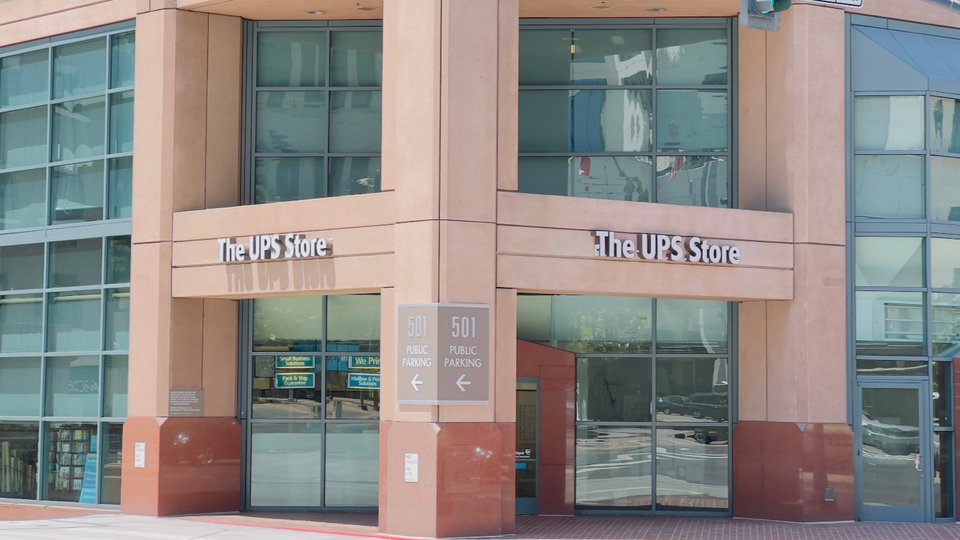
The UPS Store has earned recognition as the top brand on Forbes’ Best Customer Service Companies list for the second year in a row, thanks to its mix of face-to-face service and digital innovation. With more than 5,400 independently owned U.S. locations, the company focuses on making interactions seamless—whether it’s at the counter, through a self-service kiosk, or by scanning a QR code for returns. Sean O’Neal, VP of retail operations, explains that the company defines great customer experiences as simple, stress-free, and personal. Data collection tools like surveys, focus groups, and net promoter scores help identify customer needs, especially for small business owners, while CRM strategies let the company respond quickly and proactively.
Technology plays a central role in UPS Store’s “phygital” strategy, which blends digital and in-person service. From Commerce Ready Services that simplify returns to self-serve kiosks and dashboards for franchisees, the company uses automation while maintaining personal service. Loyalty is reinforced with its pack-and-ship guarantee, showing customers it takes responsibility when issues arise. Looking ahead, O’Neal sees automation and AI becoming more important for personalization, marketing, and operational efficiency, but stresses that human interactions remain critical—83% of customers are more likely to return after a positive in-person experience. The strategy works across all levels of the company, uniting departments behind one goal: supporting customers and small businesses every step of the way.


