
What You Need to Know
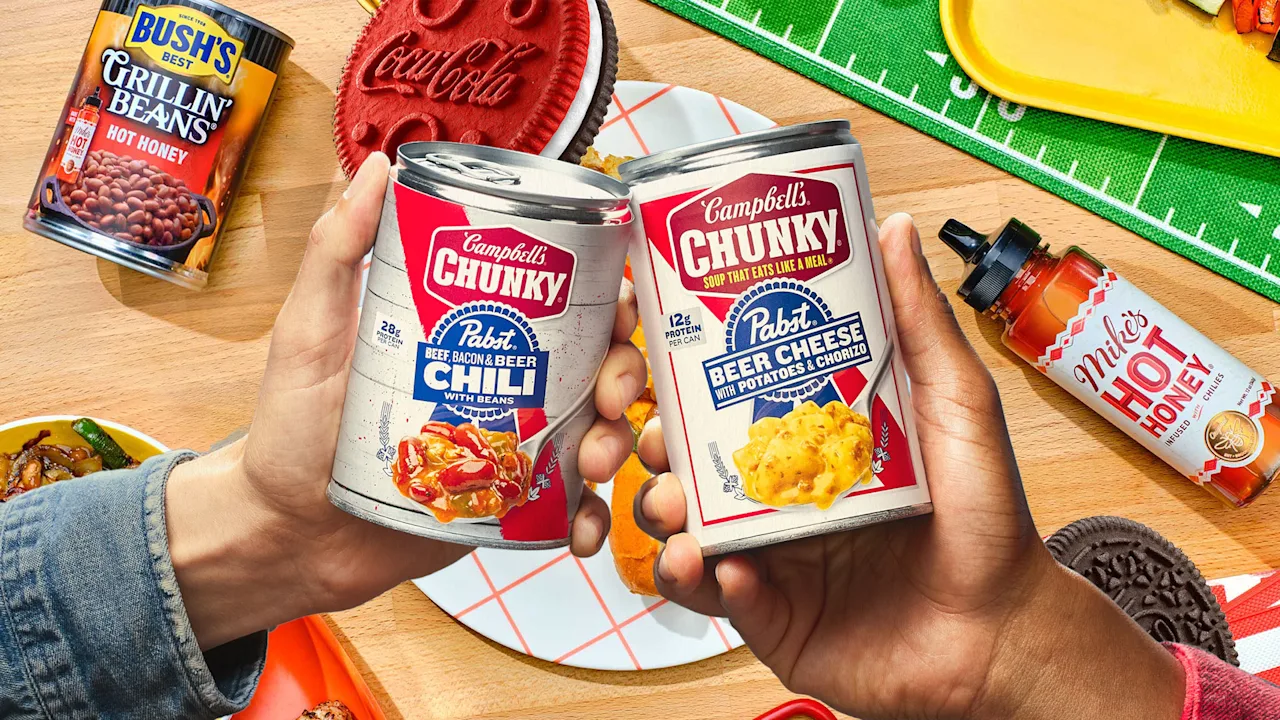
Brands are leaning into increasingly bizarre collaborations—think soda with cookies, beer-infused soup, or hot honey beans—not because consumers asked for them, but because they grab attention in a crowded marketplace. These mash-ups act less as products and more as marketing strategies, sparking viral reactions online and reminding people of the original brands. Experts call it “calculated unexpectedness”: the weird factor draws clicks, while quality and shared heritage (like Pabst and Campbell’s both being long-time pantry staples) give the partnerships some credibility.
For legacy brands like Coca-Cola or Oreo, strange collabs are a way to claw back cultural relevance from newer competitors dominating younger audiences. Shock and surprise get people talking, but the strategy has limits—consumers eventually catch on, and fatigue sets in once the formula becomes predictable. To be effective long-term, these partnerships need to move beyond short-term noise and build genuine advocacy. For now, though, expect the oddball pairings to keep coming—at least until the surprise factor wears off.


